On a bike ride along the beautiful coast of Southern Marin, I was inspired to share some ideas about this stunning native landscape and how you may incorporate these plants into your own landscape. As of right now, this color palette of grey green/blue green is my favorite. It feels calming and cools down a hot space. It also feels very neutral and works with every house color and/or any pops of additional color you want to add.
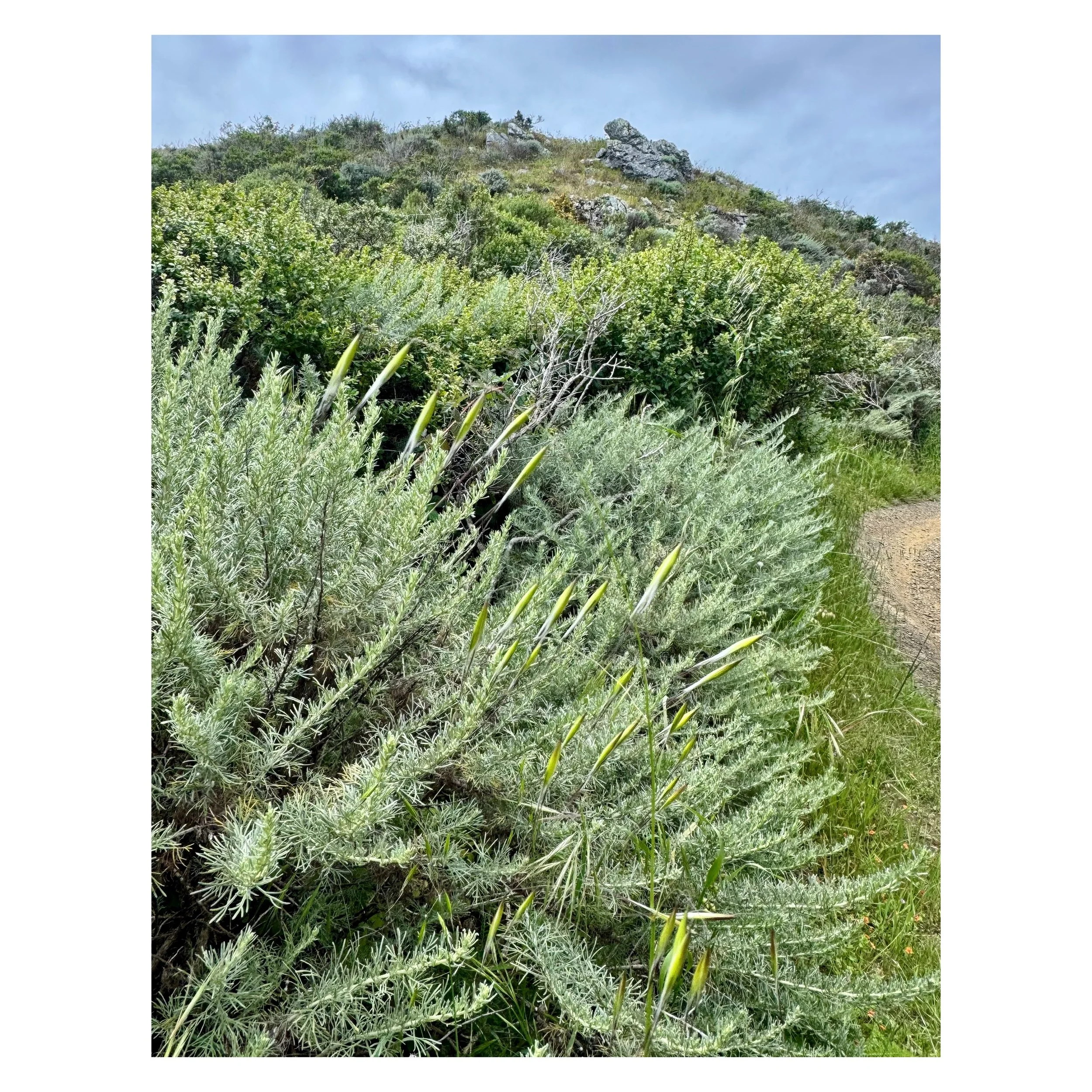
artemisia californica with baccharis pilaris behind
Plants like Artemesia Californica and Baccharis have adapted to thrive in our Northern California climate with zero summertime water. Besides having deep root systems, their fine textured foliage helps eliminate water evaporation and, for Artemisia and other grey plants, they actually reflect the sun. That said, they will look better with just a little summertime irrigation. You will see these plants growing primarily on hillsides as they need good drainage and wont tolerate standing water or soggy situations.
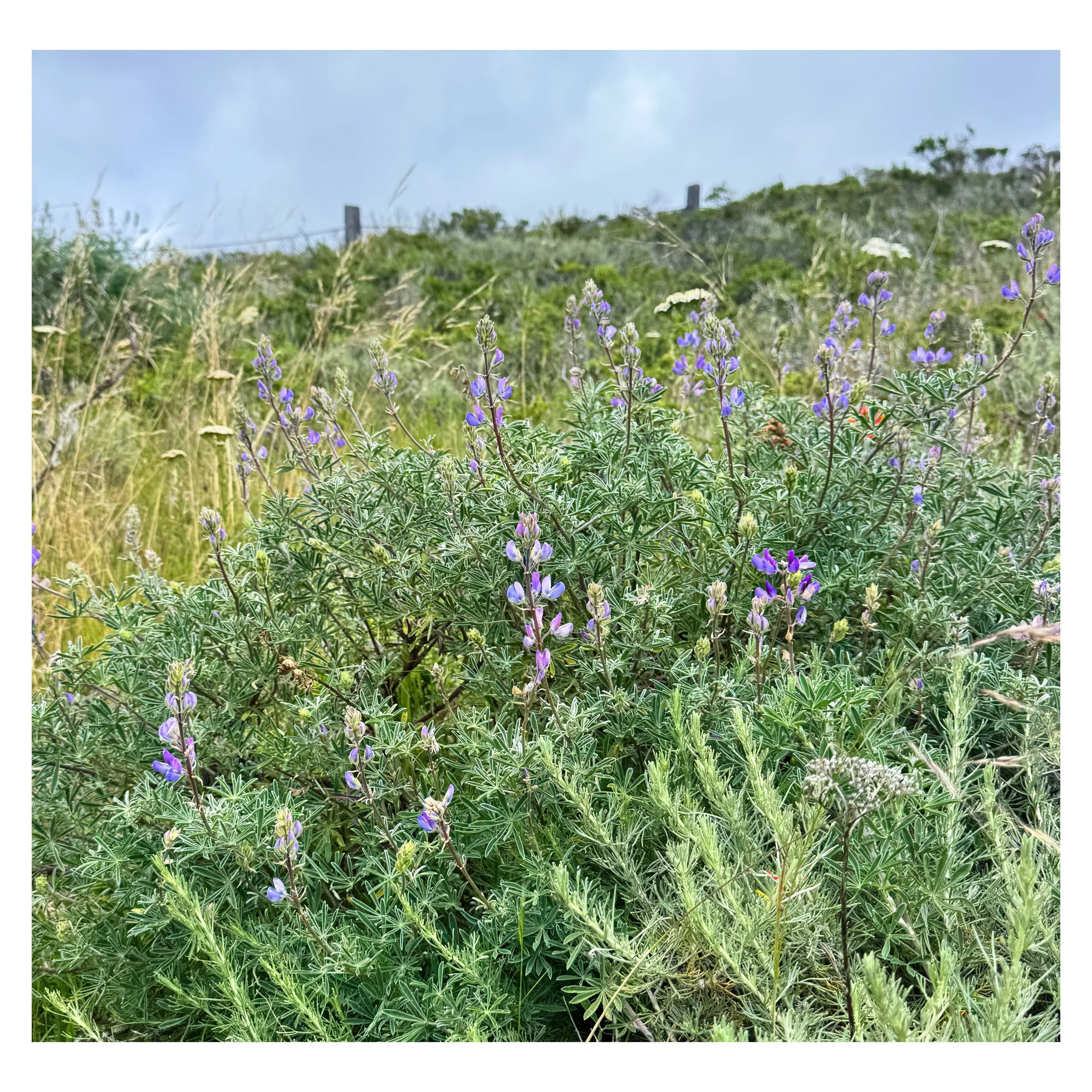
lupinus albifrons (with artemisia ca. in the bottom right corner)
Lupinus albifrons Is a perennial type of lupine that also has that pretty grey/blue green foliage that looks so lovely with other green foliage. Lupine has an almost iridescent blue purple flower In spring (there are also yellow varieties).
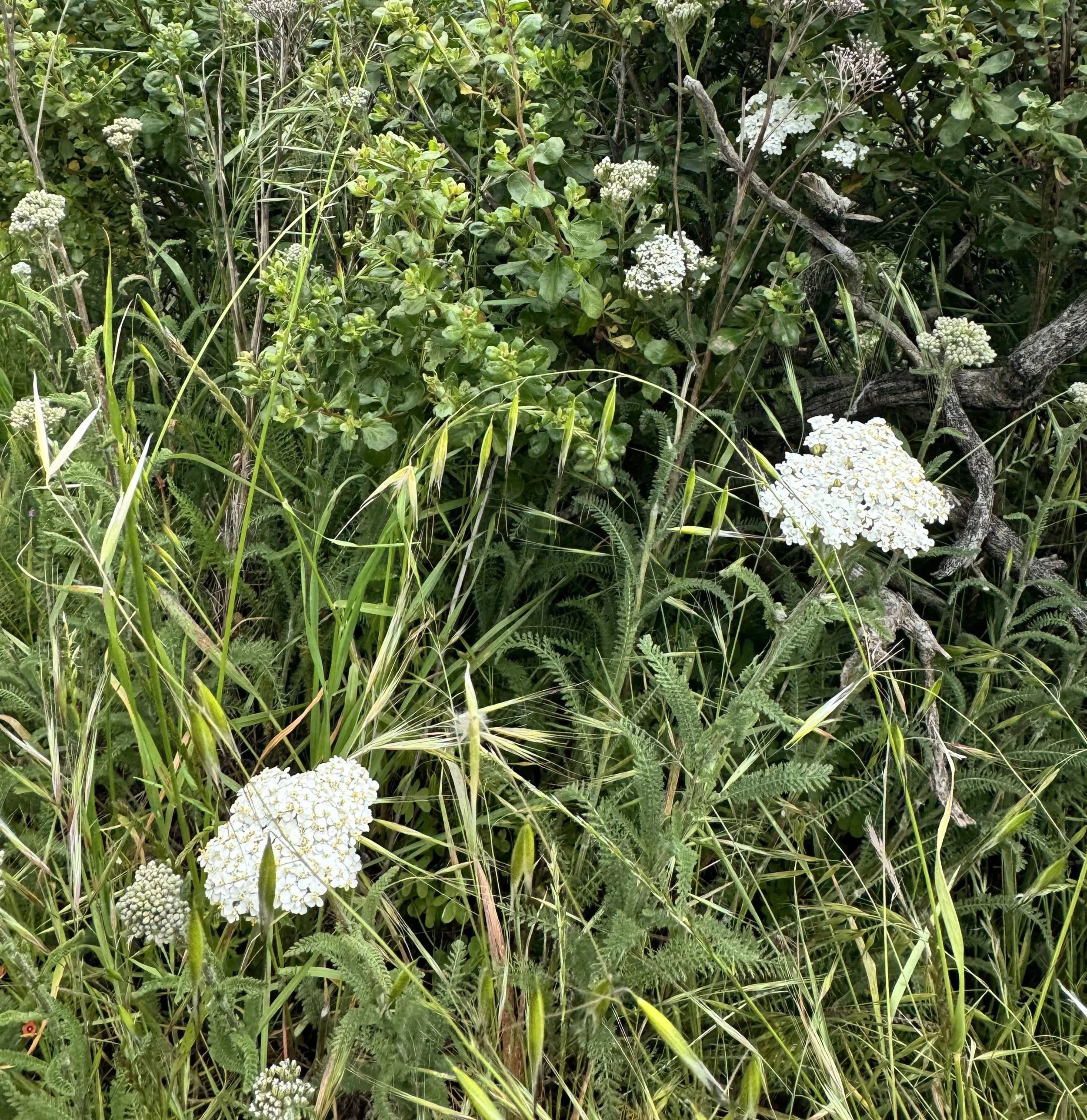
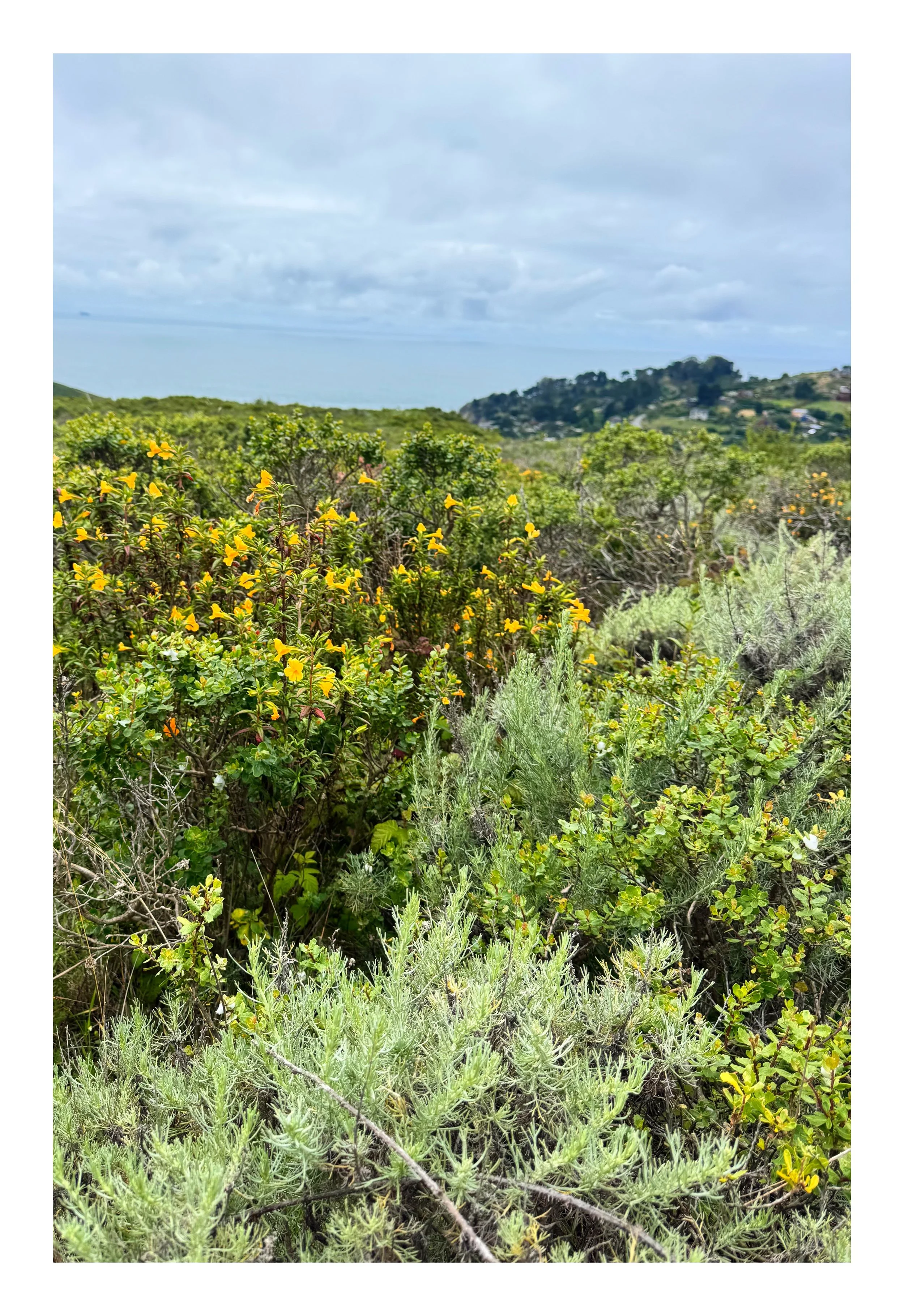
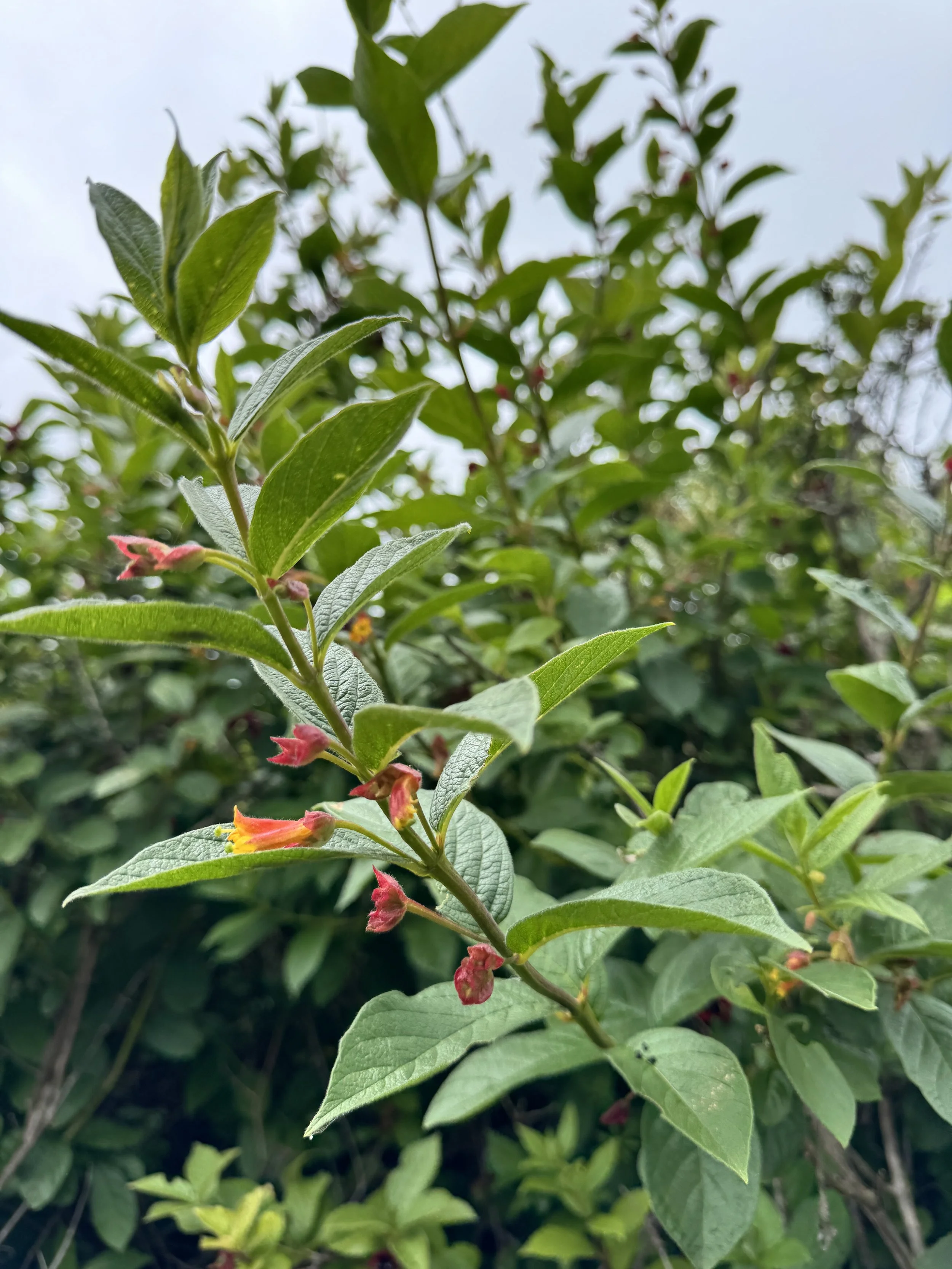
Achillea millefolium (white yarrow), Mimulus aurantiacus (yellow/orange here in the wild but is available In other colors) both will do well with almost no water. Lonicera Involucrata (far right) is holding court in a slightly soggier patch. This is an underused but very pretty larger shrub for woodland style plantings that adds a loose and delicate slightly larger layer.
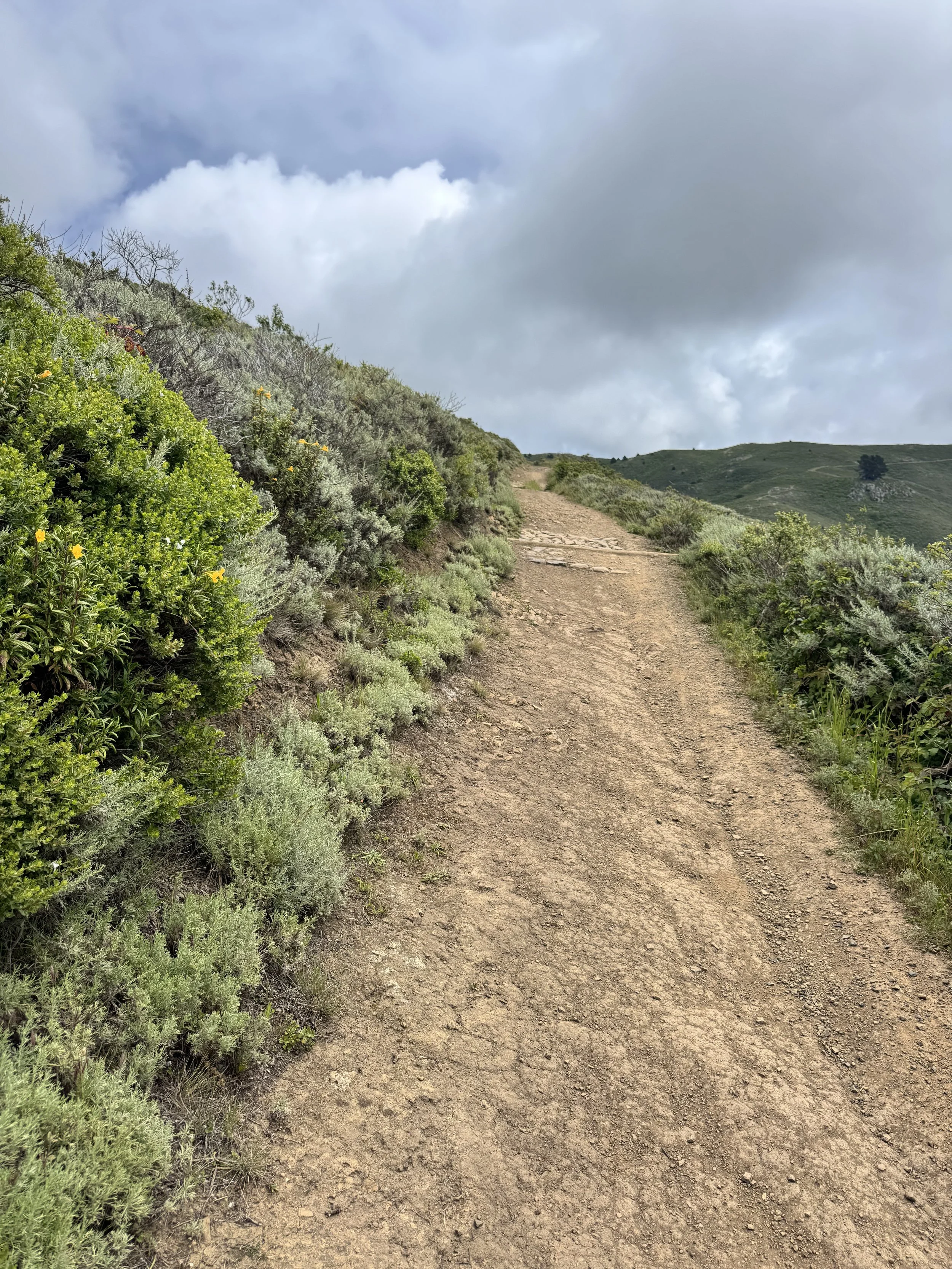
artemisia cut back on the side of the trail
This might be the most important photo. How you maintain a plant is as important as what you plant. Artemisia, like many, MANY other woody perennials WILL get woody and leggy (and kinda ugly) if you don’t trim it properly. You can see here that the trail maintenance crew basically cut it back all the way to the ground and it’s suckering out happily.
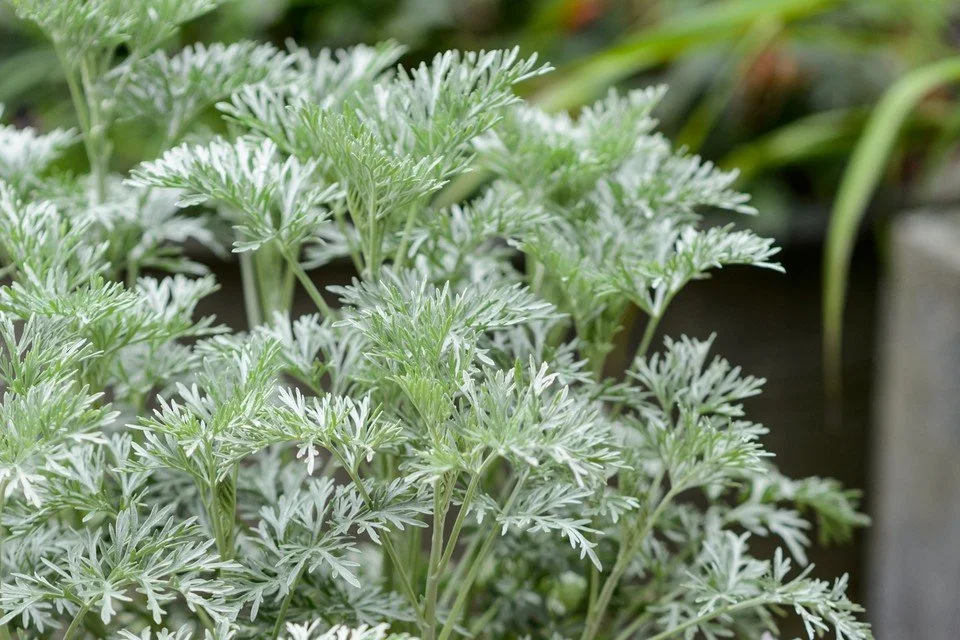
artemisia “powis castle"
In lieu of Artemisia Californica, In Marin landscapes I’d prefer to use It’s relative - Artemisia “powis castle” as It’s smaller, more refined and still performs well and looks great with the California native and Mediterranean plant palettes.
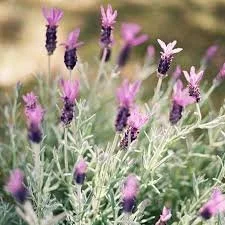
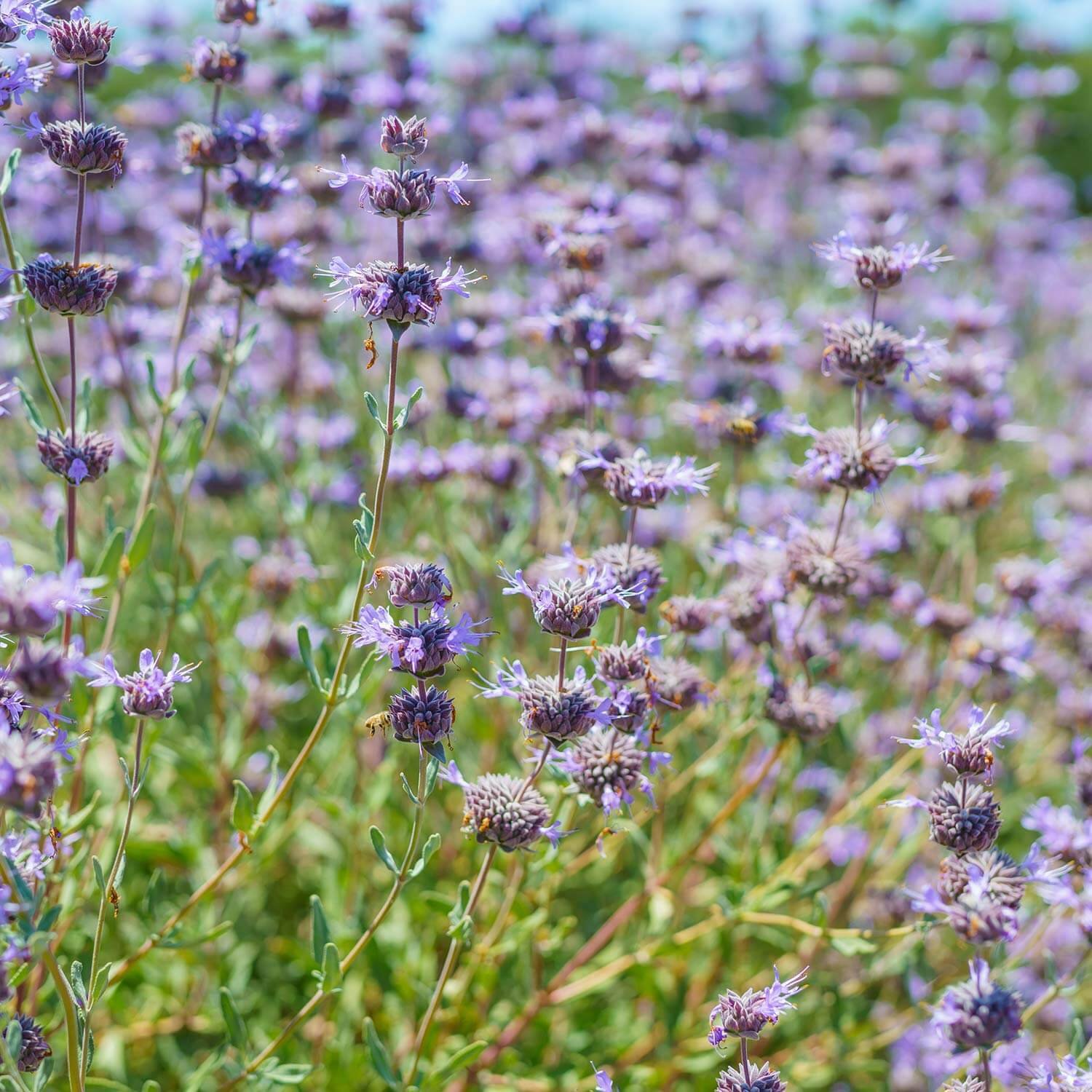
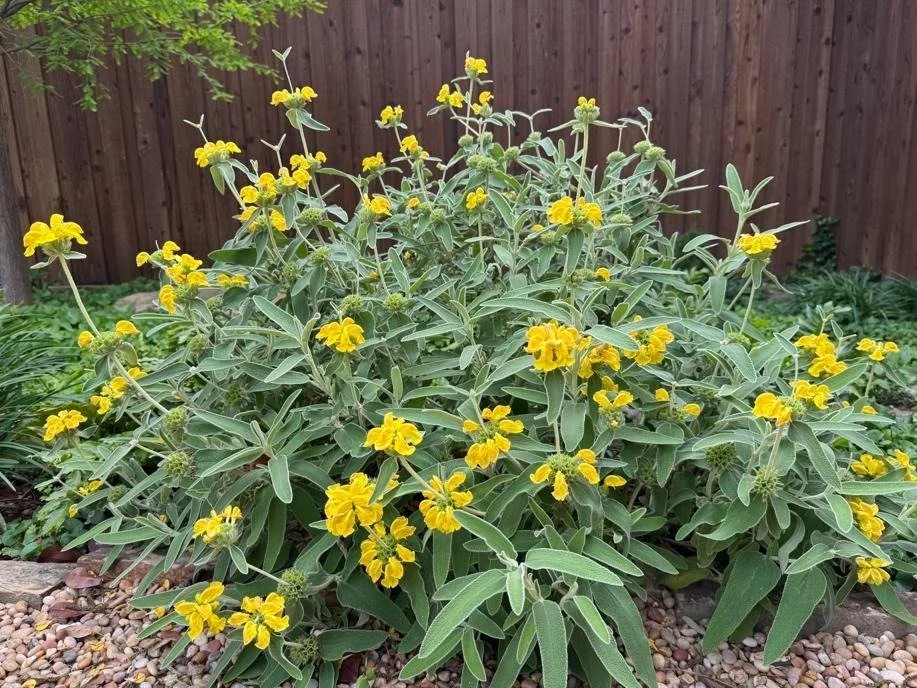
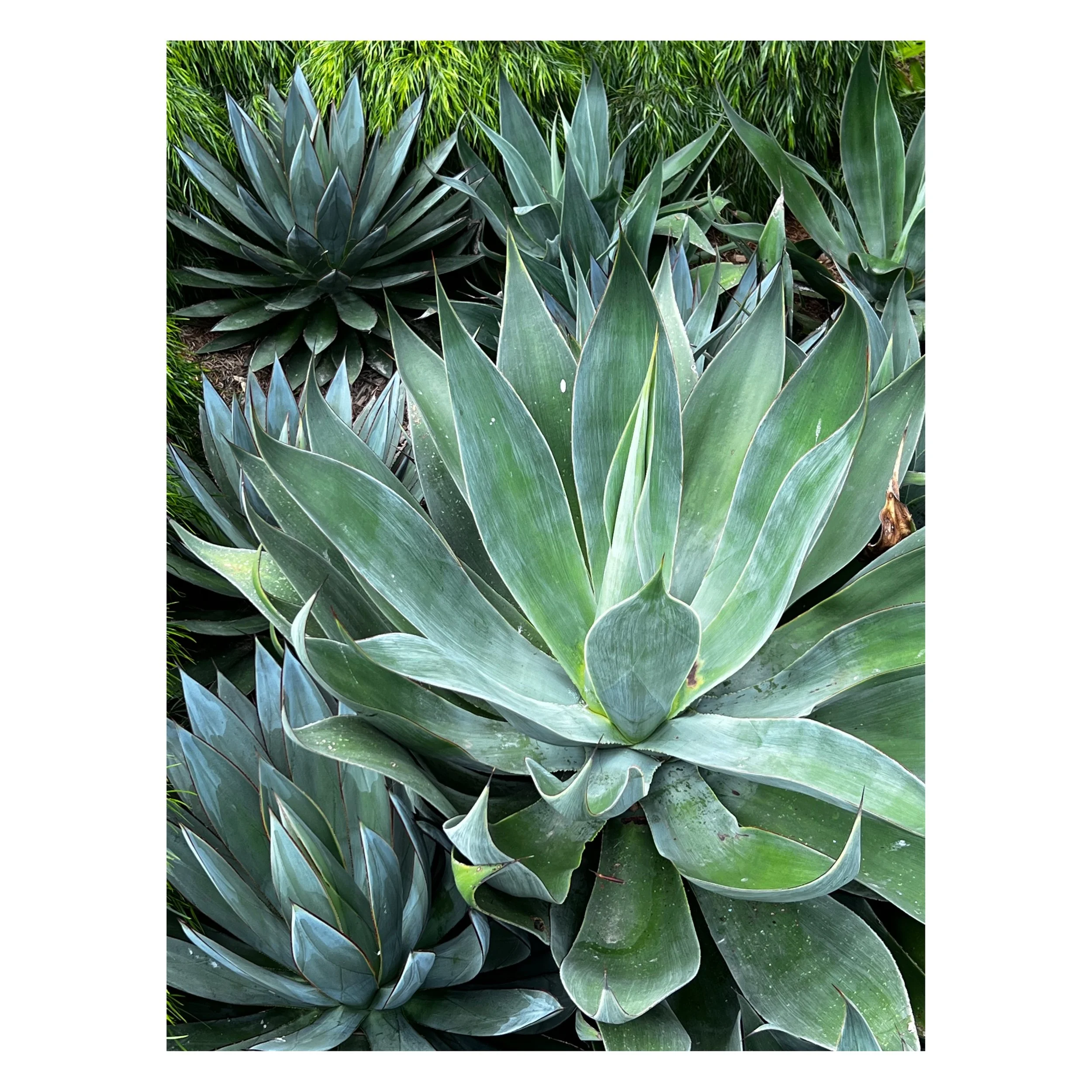
Want MORE color or contrast? From left to right - Lavandula stoechas “ghostly princess” has almost white foliage and purple flowers, Salvia’s make a great addition to this palette In terms of foliage color and summertime flower - they come In ground cover to medium shrub size, Jerusalem sage adds a fun pop of bright yellow with fuzzy grey leaves, and of course all kinds of Agave will work well and add a bit of architectural Interest.